What Bed Height Is Easiest for Seniors to Get Into?
The best bed height for seniors lets you sit on the edge with both feet flat on the floor and knees near hip level. Measure the mattress and frame together, then adjust the setup if standing takes extra effort.
On this page (9 sections)
- What bed height is easiest for seniors to use?
- How do you find the right bed height for your body?
- How do you measure the full bed height?
- What can make a bed easier to get into?
- When can a taller frame help?
- When is a lower bed a better fit?
- Can bed risers make a low bed easier to use?
- How can you check the setup before relying on it?
- Which bed height should you choose?
The best bed height for seniors lets you sit on the edge with both feet flat on the floor and knees near hip level. Measure the mattress and frame together, then adjust the setup if standing takes extra effort.
There isn't one ideal number for everyone. Leg length, mattress thickness, and how you get in and out all affect whether a bed feels easy to use.
What bed height is easiest for seniors to use?
A bed is easier to get into when its top surface lets you sit down without climbing up or dropping onto the mattress. When seated at the edge, aim for feet flat on the floor and knees near hip level.
Treat that as a starting point, not a medical rule. If you use a walker, transfer aid, or caregiver support, ask a health professional or occupational therapist to help assess the setup.
A mattress that compresses deeply can change how high you sit once you bear weight. Check the position while seated, not just by comparing the bed's height with a tape measure.
How do you find the right bed height for your body?
Sit on the edge and check your feet, knees, and effort when standing. A comfortable fit lets you plant both feet, lean forward, and rise without needing to pull on an unstable frame.
Try the setup in the shoes you normally wear at home, if you wear any. Stand up slowly and note whether you have to push hard, rock several times, or reach for furniture.
If your feet dangle, the bed may be too high for a steady seated position. If your knees sit well above your hips or you need a deep squat to stand, it may be too low.
Don't use an armchair, nightstand, or nearby furniture as a handhold unless it is made for support and stays firmly in place. A loose surface can shift during a transfer.
How do you measure the full bed height?
Measure from the floor to the top of the mattress, with the bed assembled as you use it. The total includes the frame, any foundation, and the mattress.
A frame's height alone won't tell you how tall the finished bed will be. For background on combining those pieces, see how tall a bed frame should be.
Write down the measurement and compare it with the seated fit. If you change to a thicker mattress or add a topper, measure again because the top surface will sit higher.
Does mattress firmness affect bed height?
The unloaded measurement is only part of the picture. A soft mattress can compress more under your weight, changing how low you sit at the edge.
Pay attention to how the mattress feels while you stand. If it sinks enough that your feet shift or you struggle to rise, consider a firmer edge or a different height combination.
What can make a bed easier to get into?
Set the bed at a usable height and keep the route beside it clear. A stable frame, an open path, and a reachable light can make getting in and out more manageable.
Choose a frame that supports the mattress without rocking. If you're comparing frame styles, our guide to platform bed frames explains what to check before buying.
Keep slippers, a phone, and other everyday items within reach without placing them where they could fall underfoot. Make sure cords, rugs, and clutter don't block the way to the bathroom.
If you rely on a grab bar or bed rail, choose one designed for that use and follow its installation instructions. A loose rail or improvised handle can create a fall risk.
When can a taller frame help?
A taller frame may help if your current bed is so low that you have to squat deeply to stand. Check the finished mattress height and make sure you can still sit down securely.
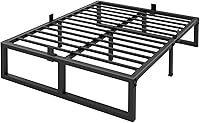
The NEW JETO 18 Inch Queen Bed Frame has an 18 inch frame height. It may suit a low mattress setup when you need a higher surface.
Its open space underneath may also suit someone who wants room for storage. Skip a tall frame if your feet would dangle or if you need to step up to reach the mattress.
When is a lower bed a better fit?
A lower frame can help if a taller setup makes it hard to sit down or leaves your feet short of the floor. Check that you can still rise without dropping into a deep squat.
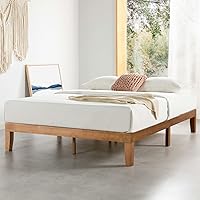
The Mellow Naturalista Classic Queen is a 12 inch solid wood platform frame. Its ground clearance is 8.5 inches, so consider whether the frame height suits the mattress you plan to use.
The Zinus Van 16 Inch Metal Platform Bed has a 16 inch frame height and 14 inches of clearance beneath it. Your mattress determines the final surface height.
Compare frame dimensions and materials in our guide to wood and metal bed frames. The best frame supports your mattress and gives you a steady, comfortable transfer.
Can bed risers make a low bed easier to use?
Bed risers can add height when the frame has legs that fit securely into them. Check the frame's leg shape, riser opening, and instructions before using them.
Home It Adjustable Bed Risers include 3 inch and 5 inch pieces that can stack to raise furniture by up to 8 inches. That range can change the bed's feel substantially, so start with the smallest setup that improves your seated position.
Use risers only if every leg sits fully and steadily in its support. Stop if the bed rocks, shifts, or puts uneven pressure on the frame, and don't stack them beyond the directions.
For other frame fit questions, see how much weight a platform bed can hold. Weight limits matter, but they don't replace checking that risers match the frame and stay stable.
How can you check the setup before relying on it?
Check getting on and off the bed slowly, with the room arranged as you use it. Keep the floor dry, remove loose rugs from the transfer path, and make sure a light is easy to reach.
Check that the mattress doesn't slide and the frame stays firm as you sit at the edge. If the bed shifts or you feel unsteady, stop and correct the setup before using it again.
Ask someone to observe the transfer if you have trouble judging the fit alone. Ongoing balance or mobility concerns deserve guidance from a clinician or occupational therapist.
Which bed height should you choose?
Choose the height that lets you sit with feet flat and stand without a hard push, then confirm the mattress and frame stay stable together. A 12 inch, 16 inch, or 18 inch frame can each work, depending on your mattress and body.
Consider risers only when the legs fit securely and the bed remains steady. For more ways to compare bed dimensions, read queen vs king bed sizes, then measure your own room and mattress setup.
Frequently asked questions
What is the best bed height for seniors?
Choose a height that lets you sit on the mattress edge with both feet flat and knees close to hip level. The right measurement varies with leg length, mattress thickness, and mobility, so check the fit while sitting and standing before changing the frame.
Should a senior's bed be high or low?
Neither height works for everyone. A bed that's too low can make standing harder, while one that's too high may leave feet dangling or make getting onto the mattress awkward.
Aim for a seated position with feet grounded, then consider safe support and transfer needs.
How do you measure bed height?
Measure from the floor to the top of the mattress, including the frame, foundation, and mattress. Then sit at the edge with feet flat and knees near hip level.
Recheck after changing the mattress or adding a topper, since either changes the total height.
Are bed risers safe for seniors?
Risers may add height when the bed has legs that fit securely, but stability depends on the frame, floor, and setup. Check compatibility and weight limits, use all supports as directed, and make sure the bed does not rock before relying on it for transfers.